
Know Your Agent (KYA): AI Agent Identity, the Standards Race, and What Is Actually On-Chain
- whackur
- Blockchain
- August 27, 2026
An identity credential or an on-chain registration number is insufficient grounds to let an AI agent spend money or access data. Identifying the agent, authenticating the requester, checking its authority for this action, and deciding how much to trust past feedback are separate checks. Know Your Agent (KYA) groups these concerns under one name. ERC-8004 supplies identifiers and public trust signals; Visa TAP and identity-verification vendors offer other ways to check requests, organizations or people. The service receiving the request still decides whether to grant access. The ERC-8004 specification and Trulioo’s product description both limit what registration or verification establishes.
Read More
The A2A (Agent-to-Agent) Protocol: How Agents Delegate to Each Other, and Where Payments Plug In
- whackur
- Blockchain
- August 27, 2026
A2A (Agent2Agent) standardizes how to delegate work to an independently operated agent and receive progress and results. A client reads an Agent Card for capabilities, endpoints and authentication requirements, then tracks longer work as a Task. MCP connects each agent to tools and data; separate protocols such as AP2 and x402 handle purchase authorization and payment settlement. Collaborating over A2A requires neither a blockchain nor a wallet. A2A specification, division of responsibilities with MCP
Read More
AI Self-Improvement Starts Outside the Model
An AI agent can improve its behavior across runs while its model weights stay unchanged. It can diagnose failures in execution traces, revise its prompts, memory, tools, or workflow, and retain changes that pass a separate evaluation. Persistent, tested changes distinguish harness improvement from simply making more attempts. Darwin Gödel Machine (DGM) changes a coding agent’s code; GEPA changes prompts; Reflexion changes the memory supplied to later trials. Each changes the system around a model rather than retraining that model. (DGM, GEPA, Reflexion)
Read More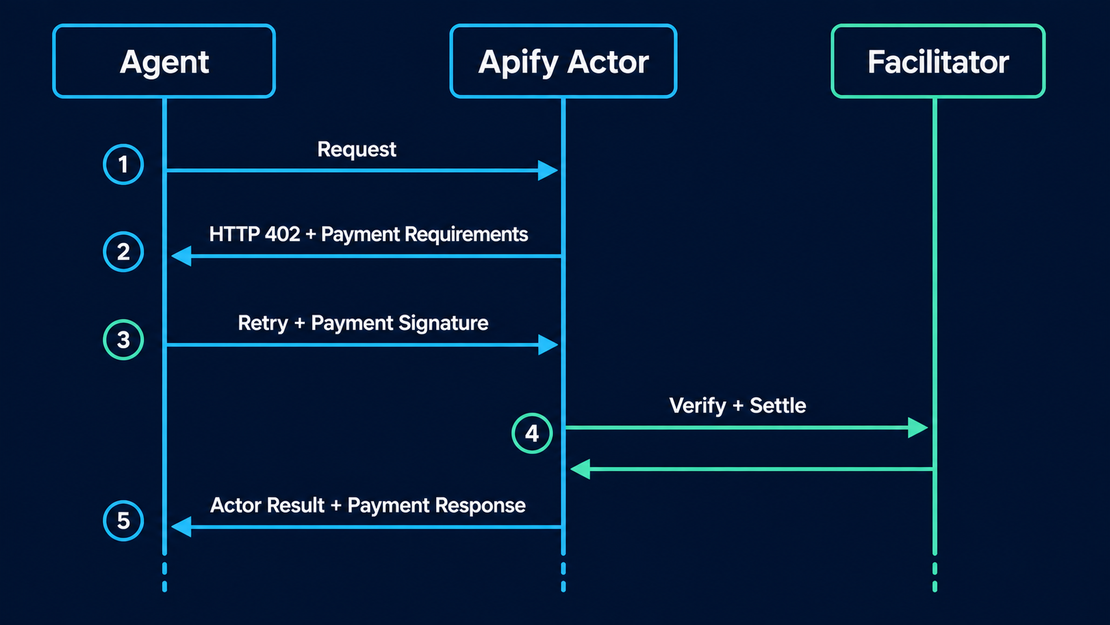
Apify x402 and Coinbase Wallets, in Depth: How Agents Buy Web Automation Tools Directly
- whackur
- Blockchain
- July 5, 2026
Apify, the web scraping platform, announced x402 support: AI agents can now run more than 20,000 Apify Actors by paying with USDC on Base, with no Apify account and no API key. Apify frames the prior x402 ecosystem as roughly 2,000 endpoints, so by its own count this integration expanded the paid-tool surface by about 10x.
Read More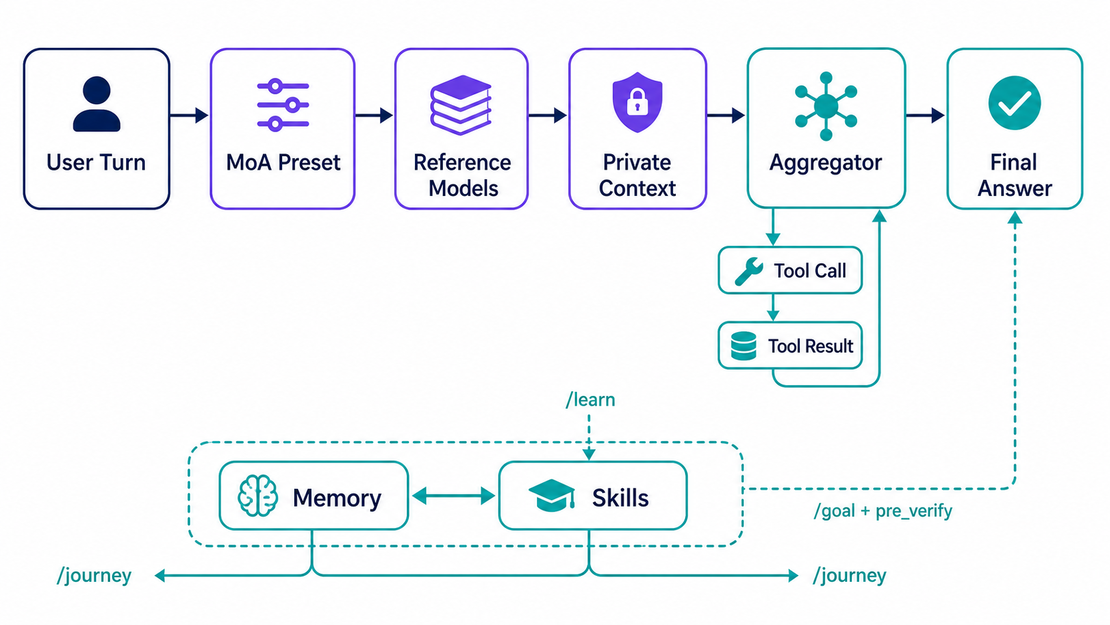
Hermes Agent v0.18: When a Self-Improving Agent Gets MoA
Nous Research’s open-source agent Hermes Agent shipped v0.18.0 on July 1, 2026. The release notes call it “The Judgment Release.” Reading this as a routine feature update misses the point. The official docs describe Hermes Agent as “the self-improving AI agent,” and the project is built around a loop that accumulates memory and skills the more it gets used. This post covers how that loop was refined in v0.18, and what role Mixture of Agents (MoA), now a first-class model choice in the same release, plays inside it.
Read More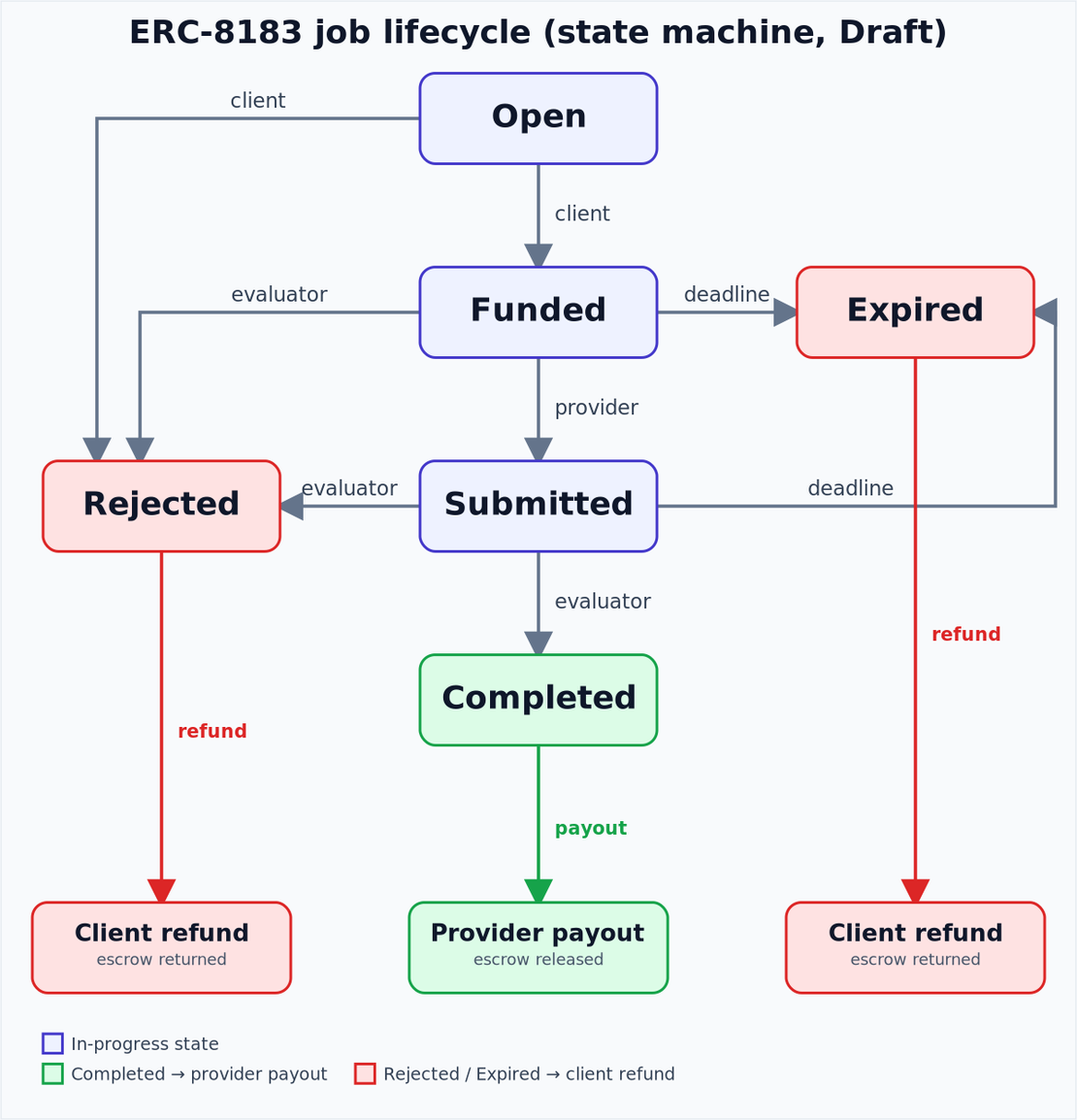
AI Agent Commerce and Coordination: ERC-8183, ERC-8226, ERC-8001, ERC-8041
- whackur
- Blockchain
- July 1, 2026
The ERC-8004/8126/8196 trust stack defines three layers: agent identity, security verification, and policy-constrained execution. It identifies an agent, scores its risk, and keeps it acting within the limits an owner has set. All of that answers one question: can I trust this agent to act on my behalf?
Read More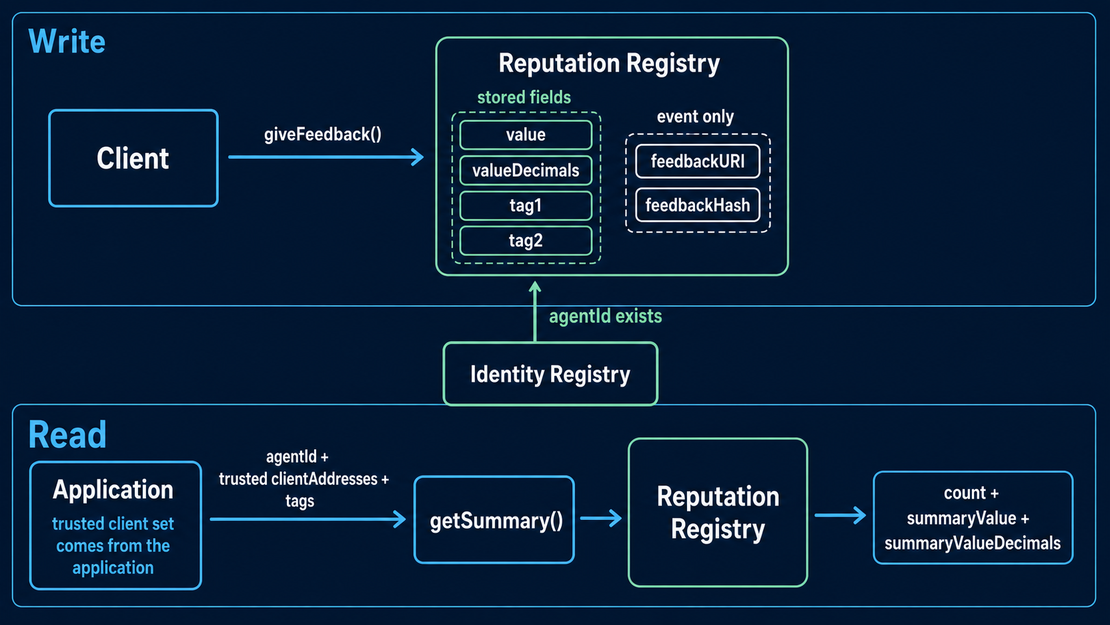
ERC-8004 Agent Reputation: On-Chain Registration and Lookup
- whackur
- Blockchain
- June 30, 2026
A prior post on this blog covered the ERC-8004/8126/8196 trust stack: three Ethereum registries that handle agent identity, reputation, and validation. If you want the conceptual overview first, start there. This post is about something narrower: how feedback actually gets written to the Reputation Registry, how to read it back, and what services are available today to browse and index that data.
Read More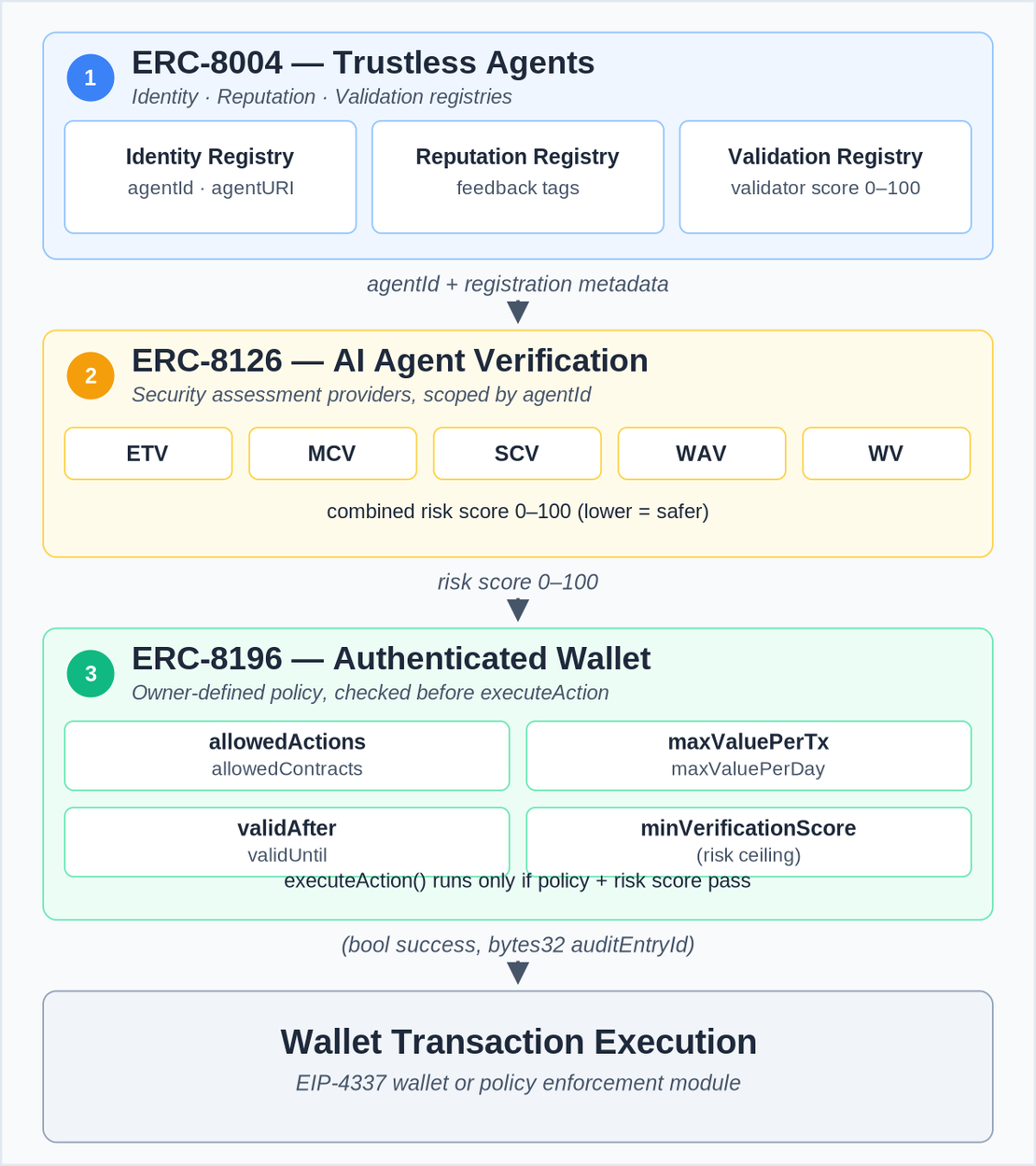
The AI Agent Trust Stack: ERC-8004, ERC-8126, and ERC-8196
- whackur
- Blockchain
- June 30, 2026
When an AI agent acts on behalf of a user (spending funds, calling contracts, accessing paid APIs), the obvious question is: how do you know this agent is safe? The Ethereum community has three standards that address different layers of that question. They don’t solve the whole problem, but they’re building toward a coherent stack.
Read More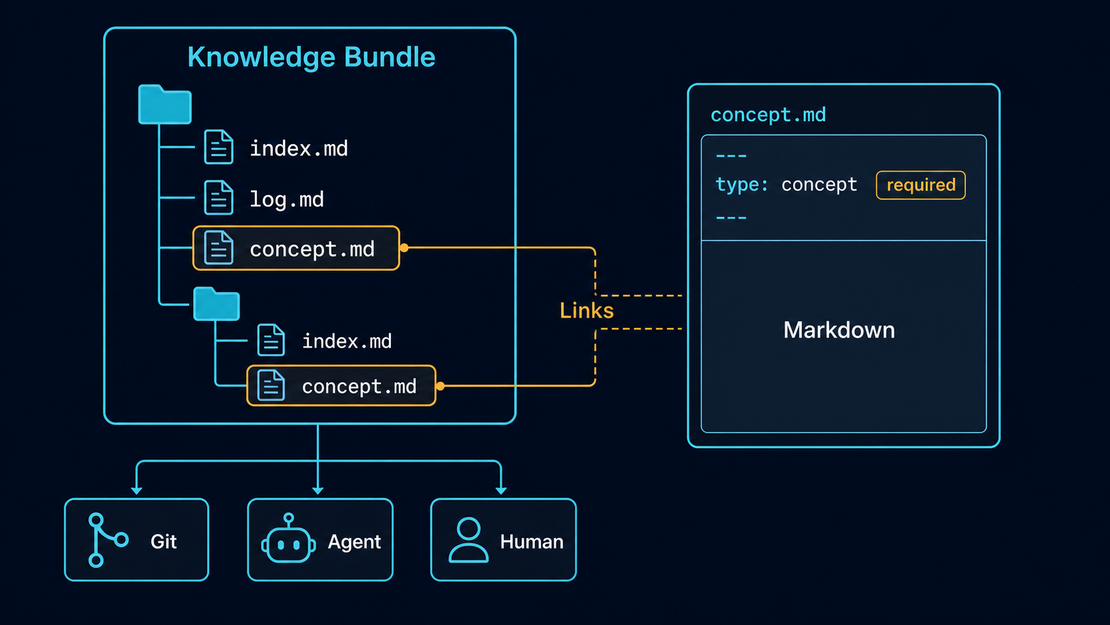
Open Knowledge Format: A Shared Vocabulary for Agent Knowledge
When AI agents fail in production, the model is often not the problem. The missing context is. Table schemas, metric definitions, runbooks, join paths between systems, and API deprecation notices are scattered across catalog vendors, internal wikis, code comments, and personal notes. Every agent developer solves the same context assembly problem from scratch.
Read More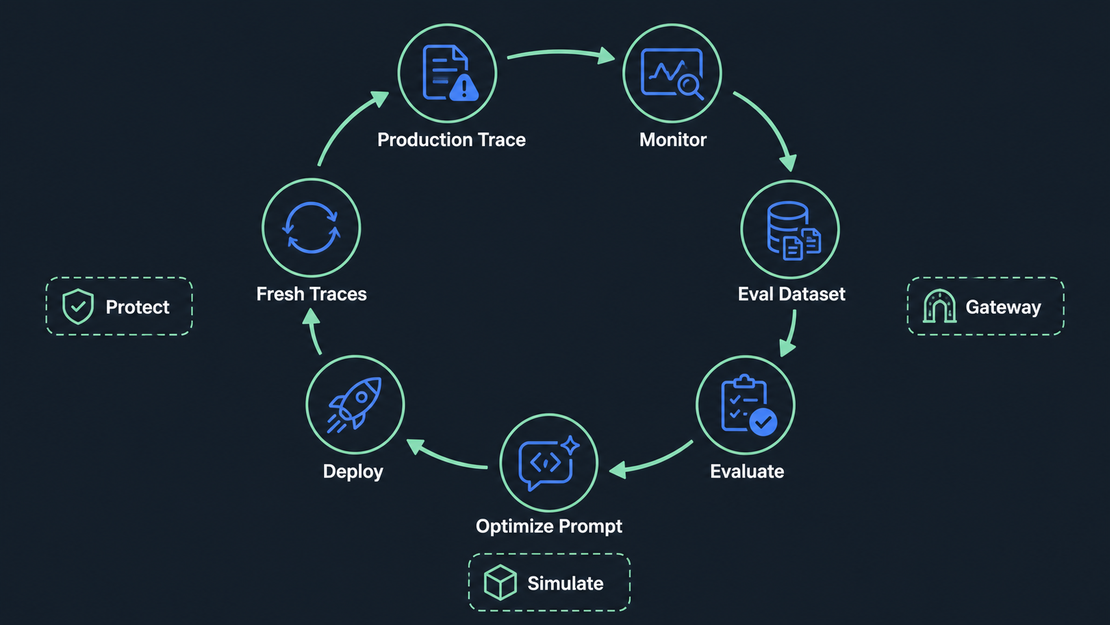
Future AGI: Evaluate, Observe, and Improve AI Agents in One Place
If you have shipped an AI agent, this will sound familiar. The demo runs fine. Then it hits production, the hallucinations start, and you can’t tell what went wrong or why. So you bolt on one tool for evals, another for tracing, another for guardrails. The real problem is that none of them talk to each other, so the loop you need to actually fix things never closes.
Read MoreTags
- A2a
- Act
- Agent
- Agent-Debate
- Agent-Finance
- Agent-Harness
- Agent-Skills
- Agentic-Payments
- Ai-Agent
- Ai-Agents
- Ai-Architecture
- Ai-Blockchain
- Ai-Research
- Ai-Search
- Ai-Security
- Akash
- Anthropic
- Apify
- Base
- Benchmark
- Besu
- Bitcoin
- Bittensor
- Block-Access-Lists
- Canton
- Capital-Markets
- Ccip
- Cctp
- Chainlink
- Circle
- Coding
- Coding-Agent
- Coinbase
- Commerce
- Competition
- Compliance
- Context-Engineering
- Cross-Chain
- Cryptography
- Daml
- Data
- Data-Enclosure
- Data-Licensing
- Decentralized-Compute
- Depin
- Dex
- Diffusion-Policy
- Distillation
- Eip
- Eip-2780
- Eip-3009
- Eip-8037
- Eip-8038
- Emergent-Behavior
- Ensemble
- Enterprise-Blockchain
- Epbs
- Erc-8001
- Erc-8004
- Erc-8041
- Erc-8126
- Erc-8183
- Erc-8196
- Erc-8226
- Ethereum
- Evals
- Evaluation
- Evm
- Execution-Client
- Fhe
- Fido2
- Fintech
- Gas
- Glamsterdam
- Goldman-Sachs
- Google-Cloud
- Gpt-5-6
- Groth16
- Harness
- Heloc
- Hermes-Agent
- Identity
- Imitation-Learning
- Institutional-Finance
- Kimi
- Knowledge-Management
- Kya
- Langfuse
- Langgraph
- Lerobot
- Llama-Cpp
- Llm
- Llm-Agents
- Llm-as-Judge
- Llm-Observability
- Local-Llm
- Maci
- Math
- Mcp
- Memory
- Metadata
- Mev
- Moa
- Model-Routing
- Moe
- Mpp
- Mtp
- Multi-Agent
- Observability
- Okf
- Onchain
- Open-Source
- Open-Standard
- Opik
- Orderbook
- Passkey
- Physical-Ai
- Platforms
- Post-Quantum-Cryptography
- Post-Training
- Privacy
- Prompt-Engineering
- Provenance
- Python
- Qbft
- Quant-Finance
- Quantum-Computing
- Qwen
- Rag
- Reasoning
- Reinforcement-Learning
- Render
- Reputation
- Retrieval
- Reverse-Kl
- Rl
- Robot-Learning
- Rwa
- Search-Agent
- Security
- Self-Improvement
- Semaphore
- Settlement
- Skills
- Small-Language-Model
- Smart-Contract
- Smart-Contracts
- Smolvla
- Snark
- Software
- Solidity
- Sp1
- Stablecoin
- Stigmergy
- Swe-Bench
- Tokenization
- Tracing
- Trading
- Tutorial
- Ucp
- Uncensored
- Usdc
- Validators
- Vla
- Voting
- Wallet
- Webauthn
- X402
- Ylds
- Zero-Knowledge
- Zk-Proof
- Zk-Rollup