Blog Posts
- Home /
- Blog Posts
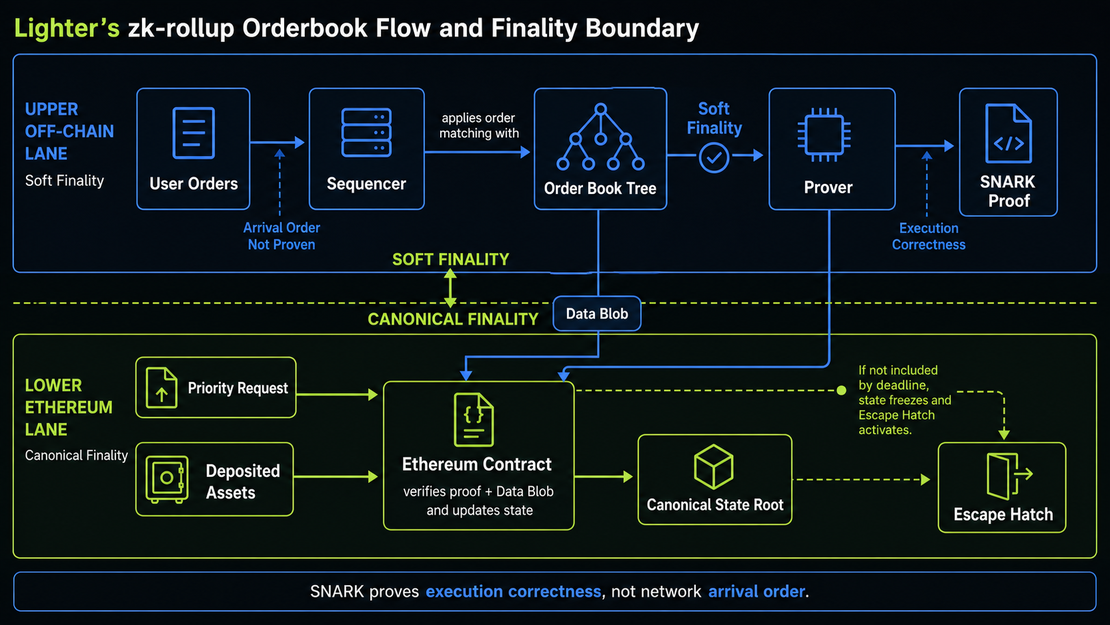
Lighter: A ZK-SNARK Orderbook DEX on Ethereum
- whackur
- Blockchain
- June 30, 2026
Decentralized exchanges come in two main forms. AMMs (Automated Market Makers) like Uniswap set prices algorithmically from pool ratios and work as permissionless swap venues. Orderbook DEXes match individual buy and sell orders by price and time priority, the same way centralized exchanges like Binance or Coinbase operate. Orderbooks enable limit orders, tighter spreads with active market-making, and more precise price discovery. AMMs do not.
Read More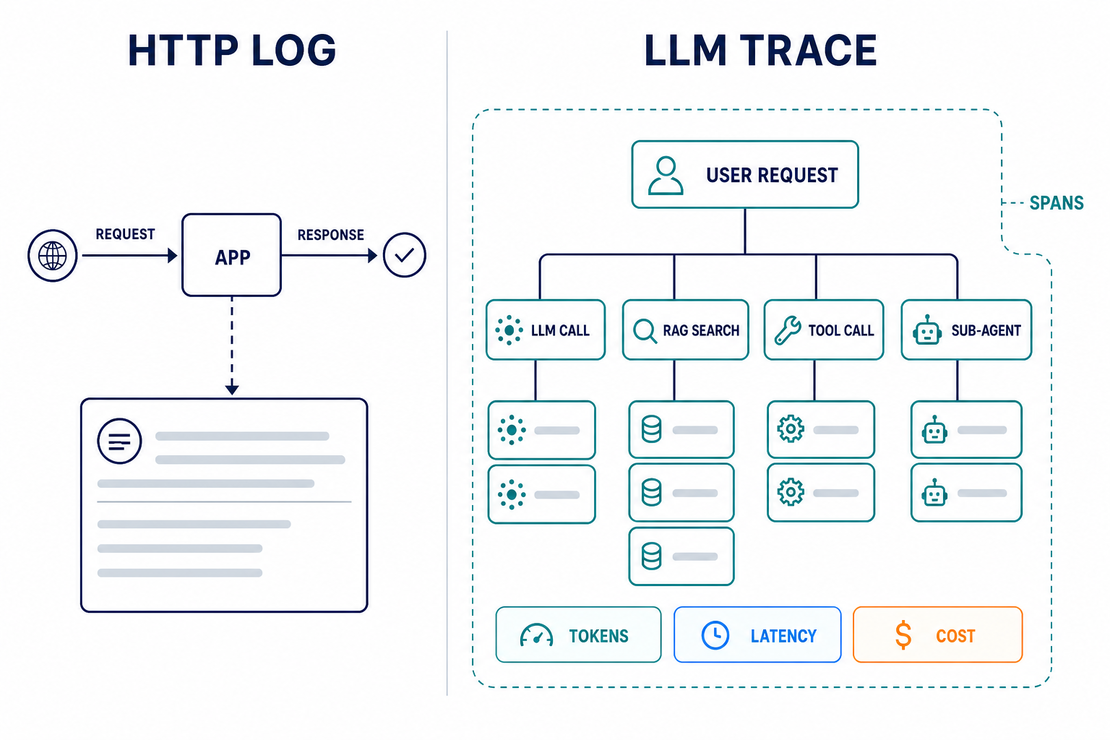
LLM Observability Without LangSmith: Five Open-Source Tools Compared
At some point in building LLM applications or agents, you need to know why a call failed, what the tool invocation looked like, or why the agent got stuck in a loop. LangSmith, LangChain’s commercial observability platform, has been the default answer for this: it covers trace visualization, prompt versioning, and evaluation in one place. Its usage-based pricing and cloud-hosted architecture are where teams start looking for alternatives. Traces carry raw user inputs and internal prompts, so shipping that data to an external SaaS is itself a problem for plenty of organizations.
Read More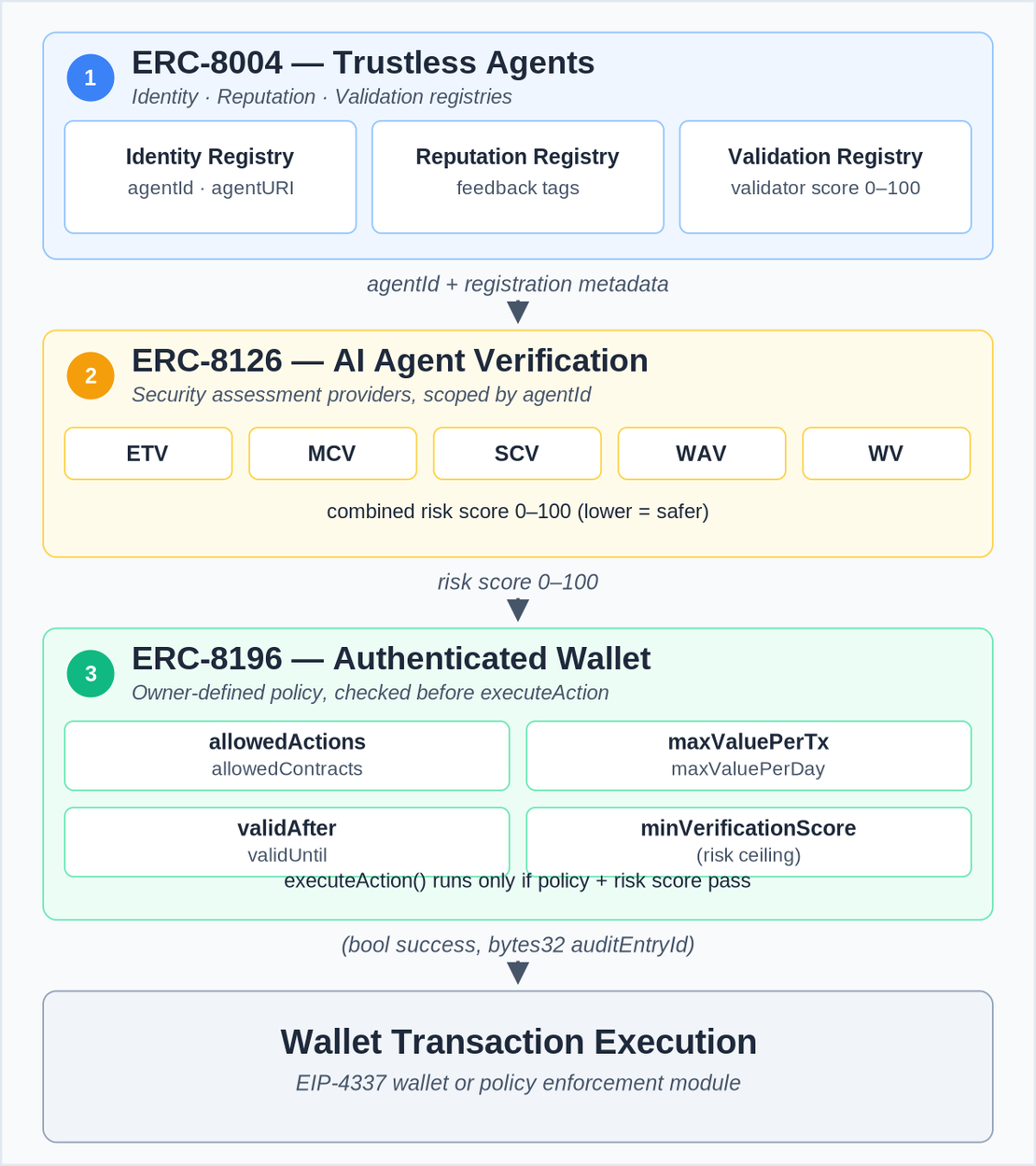
The AI Agent Trust Stack: ERC-8004, ERC-8126, and ERC-8196
- whackur
- Blockchain
- June 30, 2026
When an AI agent acts on behalf of a user (spending funds, calling contracts, accessing paid APIs), the obvious question is: how do you know this agent is safe? The Ethereum community has three standards that address different layers of that question. They don’t solve the whole problem, but they’re building toward a coherent stack.
Read More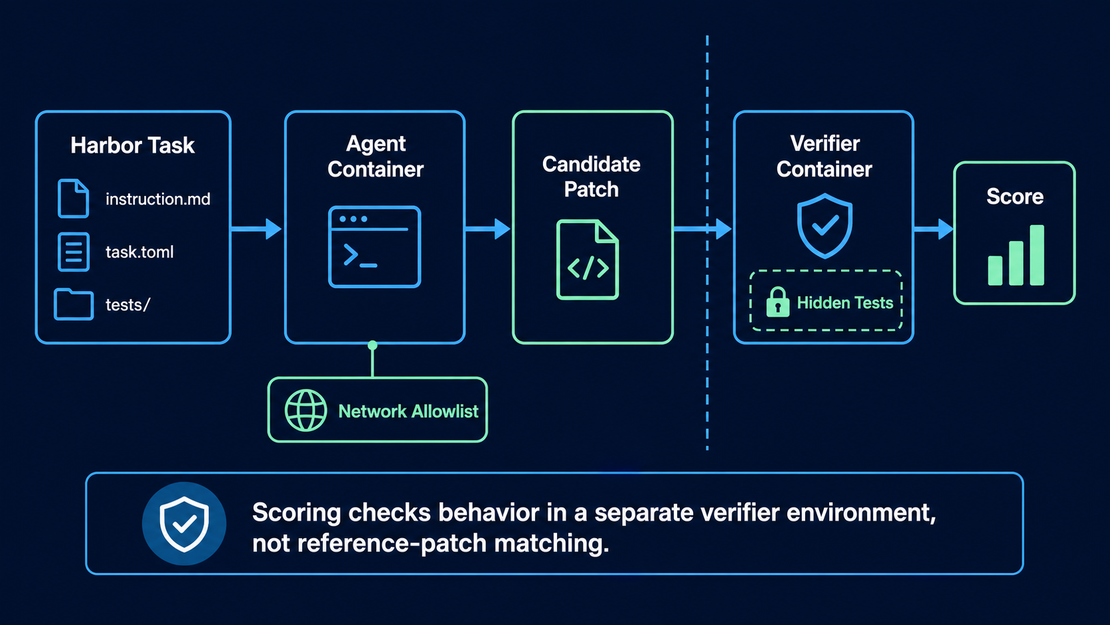
DeepSWE: A Benchmark for Long-Horizon Coding Agents
SWE-bench has been the default coding-agent leaderboard for a while, but it has well-known weaknesses. Most tasks come from existing public issues and PR patches, so a high score might partly reflect memorization. Most tasks are also single-file bug fixes, which is not representative of the multi-file, long-horizon work that a coding agent does in practice.
Read More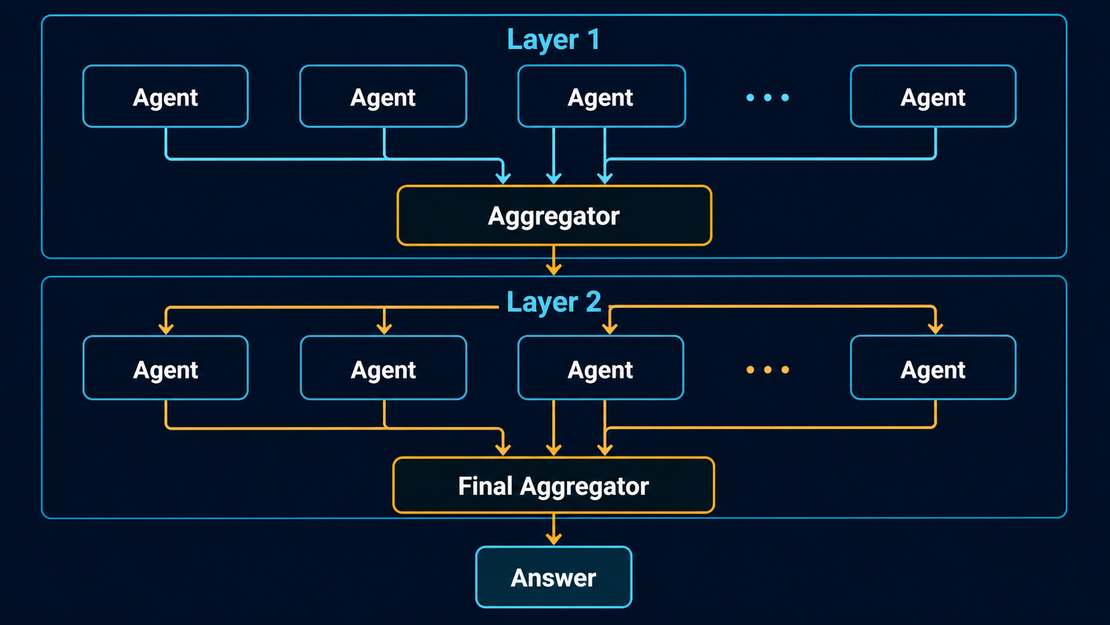
Mixture of Agents: How Layering Open-Source LLMs Beat GPT-4 Omni
Instead of scaling a single model up, you can stack multiple models in layers and have each one refine the previous layer’s output. Together AI’s research team formalized that approach in June 2024 as Mixture of Agents (MoA) in arXiv:2406.04692. Using only open-source models, their MoA configuration scored 65.1% on AlpacaEval 2.0, versus 57.5% for GPT-4 Omni.
Read More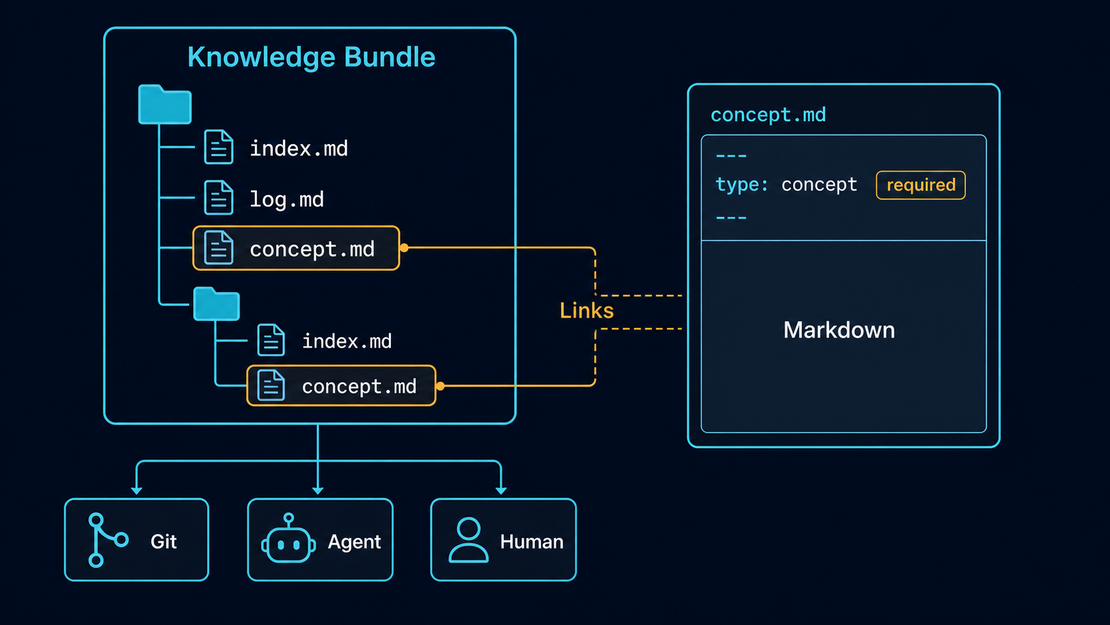
Open Knowledge Format: A Shared Vocabulary for Agent Knowledge
When AI agents fail in production, the model is often not the problem. The missing context is. Table schemas, metric definitions, runbooks, join paths between systems, and API deprecation notices are scattered across catalog vendors, internal wikis, code comments, and personal notes. Every agent developer solves the same context assembly problem from scratch.
Read More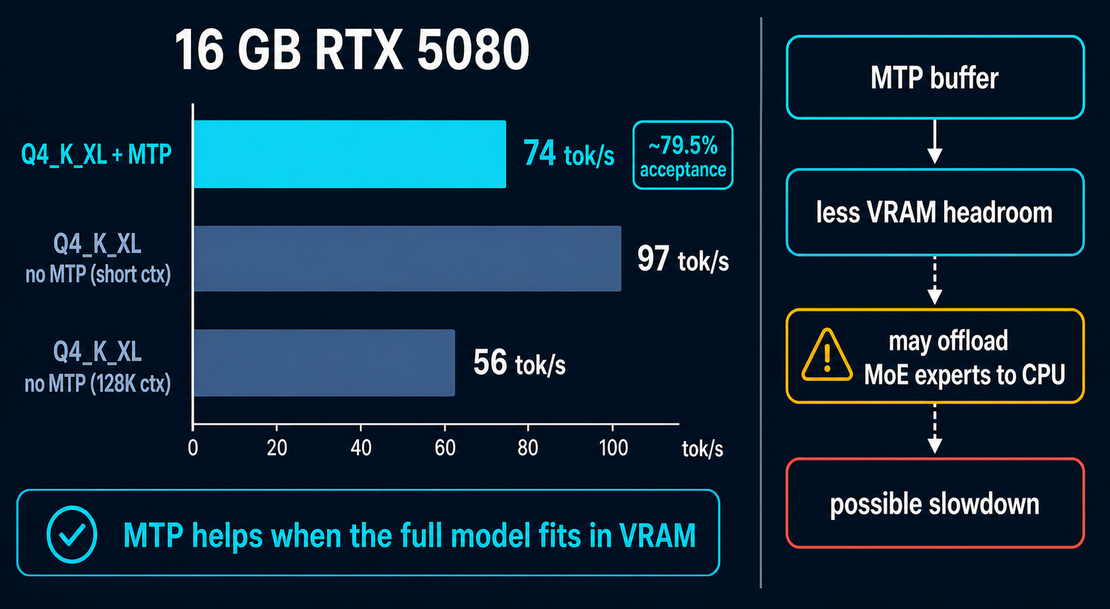
Qwen3.6-35B-A3B: Community Reviews, Uncensored Variants, and MTP Benchmarks
Alibaba released Qwen3.6-35B-A3B in April 2026: a 35B-parameter MoE model with around 3B active per token, a 262K native context, and an official SWE-bench score of 73.4%. Two months in, it’s the most widely tested 35B-class model in the local LLM community.
Read More
Robot Learning: A Tutorial (From Classical Robotics to Generalist Policies)
A practical way to start robot learning is to teleoperate one task, train an imitation policy such as ACT, and evaluate it on the same hardware under controlled conditions. Classical control handles joints and motion; the learned policy selects actions from observations. A VLA adds language instructions and pretraining, but calibration, data collection, and physical evaluation remain necessary. LeRobot’s official documentation also recommends ACT as a first policy.
Read More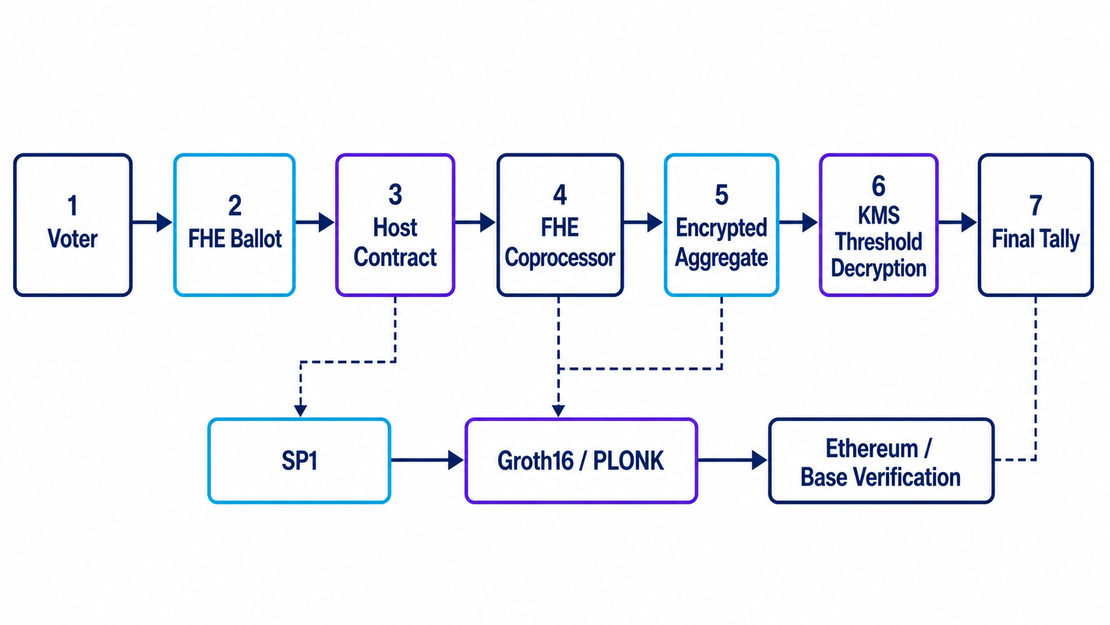
Secret Voting Architecture with FHE, SP1, and Groth16
- whackur
- Blockchain
- June 30, 2026
On-chain secret voting creates three tensions at once. Votes must stay hidden while still being tallied. Off-chain computation cannot be trusted without proof, yet results need to land on-chain. And the EVM cannot run heavy cryptographic operations natively, but it still needs to verify them. FHE (Fully Homomorphic Encryption), SP1 zkVM, and Groth16 each take on one of these.
Read More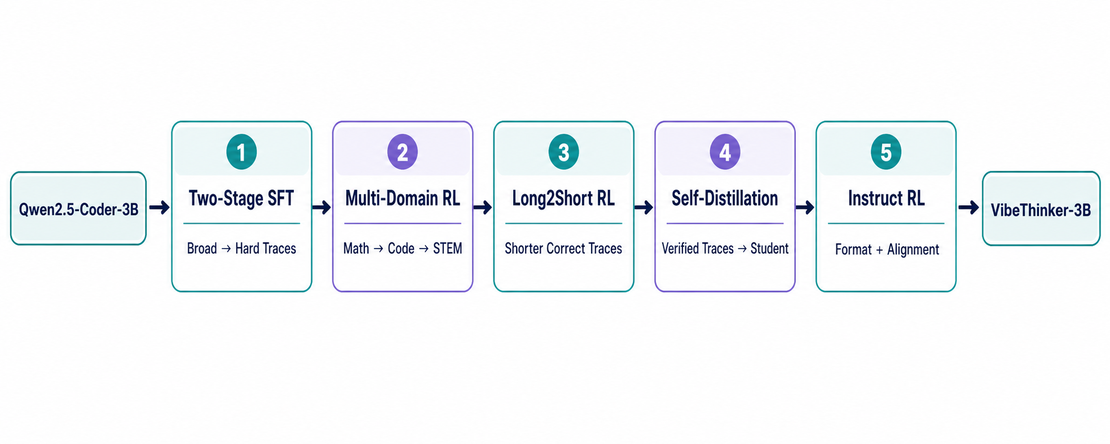
VibeThinker-3B: Packing Verifiable Reasoning into 3 Billion Parameters
“Small model beats big model” papers appear regularly. Usually the claim holds on a specific benchmark under specific conditions, not across the board. WeiboAI’s VibeThinker-3B, published June 15, 2026, follows a similar structure but draws a clearer boundary: the claim is not that a 3B model replaces a frontier generalist. The claim is that verifiable reasoning can be compressed into a small model, while open-domain knowledge and general dialogue still benefit from more parameters.
Read MoreTags
- A2a
- Act
- Agent
- Agent-Debate
- Agent-Finance
- Agent-Harness
- Agent-Skills
- Agentic-Payments
- Ai-Agent
- Ai-Agents
- Ai-Architecture
- Ai-Blockchain
- Ai-Research
- Ai-Search
- Ai-Security
- Akash
- Anthropic
- Apify
- Base
- Benchmark
- Besu
- Bitcoin
- Bittensor
- Block-Access-Lists
- Canton
- Capital-Markets
- Ccip
- Cctp
- Chainlink
- Circle
- Coding
- Coding-Agent
- Coinbase
- Commerce
- Competition
- Compliance
- Context-Engineering
- Cross-Chain
- Cryptography
- Daml
- Data
- Data-Enclosure
- Data-Licensing
- Decentralized-Compute
- Depin
- Dex
- Diffusion-Policy
- Distillation
- Eip
- Eip-2780
- Eip-3009
- Eip-8037
- Eip-8038
- Emergent-Behavior
- Ensemble
- Enterprise-Blockchain
- Epbs
- Erc-8001
- Erc-8004
- Erc-8041
- Erc-8126
- Erc-8183
- Erc-8196
- Erc-8226
- Ethereum
- Evals
- Evaluation
- Evm
- Execution-Client
- Fhe
- Fido2
- Fintech
- Gas
- Glamsterdam
- Goldman-Sachs
- Google-Cloud
- Gpt-5-6
- Groth16
- Harness
- Heloc
- Hermes-Agent
- Identity
- Imitation-Learning
- Institutional-Finance
- Kimi
- Knowledge-Management
- Kya
- Langfuse
- Langgraph
- Lerobot
- Llama-Cpp
- Llm
- Llm-Agents
- Llm-as-Judge
- Llm-Observability
- Local-Llm
- Maci
- Math
- Mcp
- Memory
- Metadata
- Mev
- Moa
- Model-Routing
- Moe
- Mpp
- Mtp
- Multi-Agent
- Observability
- Okf
- Onchain
- Open-Source
- Open-Standard
- Opik
- Orderbook
- Passkey
- Physical-Ai
- Platforms
- Post-Quantum-Cryptography
- Post-Training
- Privacy
- Prompt-Engineering
- Provenance
- Python
- Qbft
- Quant-Finance
- Quantum-Computing
- Qwen
- Rag
- Reasoning
- Reinforcement-Learning
- Render
- Reputation
- Retrieval
- Reverse-Kl
- Rl
- Robot-Learning
- Rwa
- Search-Agent
- Security
- Self-Improvement
- Semaphore
- Settlement
- Skills
- Small-Language-Model
- Smart-Contract
- Smart-Contracts
- Smolvla
- Snark
- Software
- Solidity
- Sp1
- Stablecoin
- Stigmergy
- Swe-Bench
- Tokenization
- Tracing
- Trading
- Tutorial
- Ucp
- Uncensored
- Usdc
- Validators
- Vla
- Voting
- Wallet
- Webauthn
- X402
- Ylds
- Zero-Knowledge
- Zk-Proof
- Zk-Rollup